


A bubbler is a small water pipe designed for smoking dry herbs. It uses water to cool and filter the smoke. This compact device combines the features of a traditional hand pipe with water filtration.
Looking for a smoother smoking experience? A bubbler might catch your interest. This compact water pipe offers simple water filtration and an easy-to-handle design.
Bubblers come in different shapes, sizes, and styles. Popular bubbler designs include hammer, Sherlock, sidecar, and recycler styles. Each type offers a slightly different smoking experience.
What Is a Bubbler?
So, what is a bubbler? A bubbler is a small, handheld glass smoking device that combines features of a traditional dry pipe and a water pipe. Unlike an ordinary hand pipe, this design includes a built-in chamber that holds water. If you’re interested in other funny naming ideas, explore these funny stoner names for some creative inspiration.
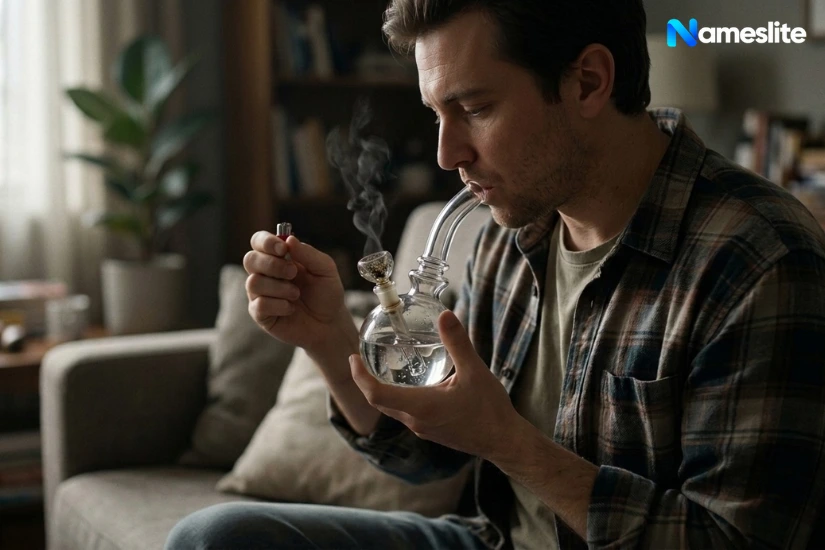
Smoke passes through the water chamber before reaching the mouthpiece. This process cools the smoke and may trap some particles. As air moves through the glass device, it creates visible bubbles, which is how it gets its name
A typical Glass Bubbler includes several basic components:
- Bowl: Holds the smoking material.
- Water Chamber: Contains water for the bubbling process.
- Mouthpiece: Provides an opening for inhaling.
- Carb Hole: Appears in some models to help control airflow.
Understanding How a Bubbler Works
A bubbler pipe uses a built-in water chamber to change how smoke travels through the device. Its internal passage connects the bowl area to the water reservoir and mouthpiece, allowing smoke to pass through the water before reaching the user. As the smoke moves through the chamber, the water helps cool it and may trap some larger particles. The glass body makes this process visible, as air bubbles form when smoke travels through the water. This built-in design combines the basic function of a traditional pipe with a water chamber in one compact device.
As air moves through the chamber, it creates bubbles in the water. This process cools the smoke and may trap some particles.
However, water doesn’t remove all harmful substances or make inhaling smoke safe. The chamber’s shape, water capacity, and internal design also affect airflow.
Several design features affect how a Glass Bubbler works:
- Chamber Shape: Influences the movement of air and smoke.
- Water Capacity: Determines how much water the chamber can hold.
- Internal Passage: Directs airflow through different sections.
- Opening Size: Affects how air moves through the device.
- Additional Chambers: Create more complex internal structures in some designs.
Popular Types and Glass Designs
Bubblers are available in a wide range of shapes, sizes, and designs, making each style unique in its own way. Some feature a classic pipe-like silhouette with a simple, traditional appearance, while others stand out with unusual angles, creative chamber shapes, colorful glass patterns, and detailed artistic designs. These variations give users plenty of options when exploring different styles and appearances. If you enjoy discovering creative and unusual names for everyday objects, check out these funny printer names for even more inspiration.
Each style has its own visual characteristics. The main differences include body shape, base stability, mouthpiece position, and internal construction
Common design features include:
- Classic Shapes: Resemble traditional hand pipes.
- Curved Designs: Feature rounded bodies and distinctive angles.
- Flat Bases: Provide a wider standing surface.
- Decorative Chambers: Include colorful glasswork and artistic details.
- Unique Mouthpieces: Vary in position and shape across different models.
Hammer Bubbler
A Hammer Bubbler features a distinctive design that resembles the shape of a traditional hammer, making it easy to recognize among other bubbler styles. Its main water chamber is usually positioned horizontally, while the mouthpiece extends outward from one side, creating its signature hammer-like appearance. Many models also include a flat, stable base that allows the glass piece to stand upright on a table or other flat surface. Depending on the design, hammer bubblers may come in different sizes, colors, and decorative glass patterns. Their unique structure and recognizable shape make them an interesting option for those who appreciate creative glass designs.

This recognizable structure distinguishes the hammer-style design from curved or upright models. Its appearance and construction may vary depending on the manufacturer.
Common design features include:
- Horizontal Chamber: Gives the bubbler its signature hammer-like shape.
- Side Mouthpiece: Extends from one side of the main chamber.
- Flat Base: Provides a standing surface.
- Clear Glass: Offers a simple, classic appearance.
- Colored Accents: Add decorative details and visual variety.
Sherlock Bubbler
A Sherlock bubbler takes inspiration from the curved pipe associated with Sherlock Holmes. Its long, curved neck creates an elegant silhouette that distinguishes it from compact designs like the hammer bubbler.
Some Sherlock-style models feature smooth, simple bodies, while others include colorful glass accents and detailed artwork. Their distinctive curves give these glass pieces a recognizable appearance.
Common design features include:
- Curved Neck: Creates the classic Sherlock-inspired silhouette.
- Rounded Base: Appears in some models and adds to their overall shape.
- Extended Chamber: Gives certain designs a longer profile.
- Colored Glass: Adds decorative accents and visual appeal.
- Detailed Artwork: Makes some pieces look more artistic and distinctive.
Sidecar Bubbler
A Sidecar Bubbler features an offset mouthpiece that extends beside the main water chamber. This arrangement creates a distinctive profile compared with designs that have a mouthpiece positioned directly above the reservoir. For more creative ideas featuring unusual designs, explore these funny speaker names for inspiration.
The side-mounted mouthpiece is the most recognizable feature of this style. Some models also include angled glass sections, rounded chambers, and decorative accents.
Common design features include:
- Offset Mouthpiece: Extends beside the main water chamber.
- Angled Glass Sections: Give some models a distinctive appearance.
- Rounded Chambers: Create a smooth, curved body shape.
- Decorative Accents: Add artistic details and visual variety.
- Different Glass Shapes: Allow manufacturers to create unique variations.
Recycler Bubbler
A Recycler Bubbler features a unique design that uses multiple connected chambers and curved glass pathways to create a continuous water-circulation system. As air moves through the device, water travels between these chambers, creating a flowing movement that makes the design visually interesting. Its internal structure sets it apart from simpler bubbler models that rely on a single water reservoir. Depending on the design, recycler bubblers may include different chamber arrangements, curved tubes, and artistic glass details. These features give them a more complex appearance while highlighting the creative possibilities of glass craftsmanship.
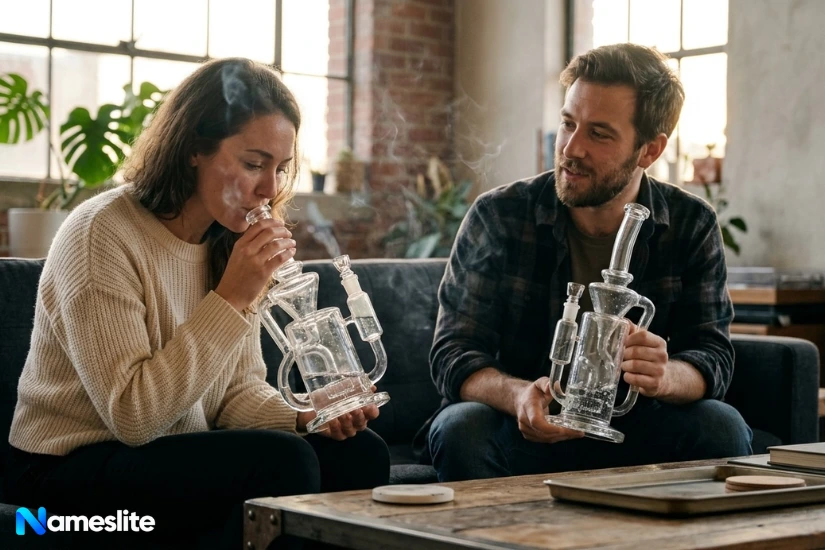
Depending on the model, this glass piece may feature multiple connected chambers and intricate pathways. These details create an interesting visual effect as water moves through the different sections.
Common design features include:
- Connected Chambers: Link different sections of the bubbler.
- Curved Glass Pathways: Create the recycler’s distinctive internal structure.
- Water Circulation: Allows water to move between connected chambers.
- Intricate Connections: Give the design a more elaborate appearance.
- Different Sizes: Available in various shapes and construction styles.
Glass Water Bubbler
A glass water bubbler is a broad category of smoking devices rather than a single specific shape. These pieces feature glass construction and an integrated water chamber that defines their overall design.
Unlike hammer or Sherlock styles, these glass pieces are available in various shapes, sizes, and configurations.
Common design variations include:
- Rounded Bodies: Feature smooth, curved glass chambers.
- Straight Necks: Create a simple, traditional appearance.
- Angled Mouthpieces: Give the bubbler a distinctive profile.
- Decorative Shapes: Include unusual forms and artistic glasswork.
- Clear Glass: Makes the internal chamber structure visible.
- Colored Glass: Adds visual appeal through different shades and patterns.
Handcrafted Glass Bubbler
A Handcrafted Glass Bubbler stands out because of its individual glasswork and decorative details. Unlike mass-produced pieces with nearly identical shapes, handmade glass designs may have subtle differences in color placement, curves, and surface patterns.
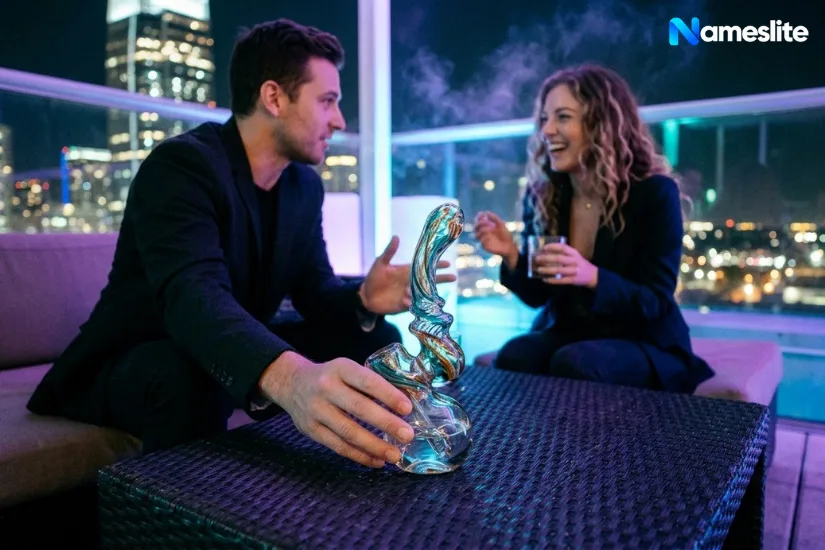
Glass artists use various techniques to create distinctive pieces. Some feature layered colors and twisted sections, while others showcase unusual shapes and artistic details.
Common features of handmade designs include:
- Layered Colors: Create depth through different glass shades.
- Twisted Sections: Add unique curves and decorative patterns.
- Unusual Shapes: Give each piece a distinctive appearance.
- Minimalist Designs: Feature clean lines and simple construction.
- Sculptural Details: Make some bubblers resemble small glass sculptures.
Mini Glass Bubbler
A Mini Glass Bubbler is a smaller version of the traditional water-chamber design. Its compact size gives it a distinct appearance compared with larger models featuring extended necks or multiple chambers.
These miniature designs often have simple shapes because their smaller bodies leave less room for elaborate details.
Common features of this compact style include:
- Rounded Reservoirs: Create a smooth, compact body shape.
- Short Necks: Give the design a shorter overall profile.
- Compact Mouthpieces: Complement the smaller construction.
- Simple Chambers: Keep the overall glass structure less elaborate.
- Small Dimensions: Distinguish miniature models from larger designs.
Bubbler With Percolator
A Percolator Bubbler features an additional internal structure that distributes airflow through multiple openings. This creates a more complex design compared with simpler glass pieces that have a basic water chamber.
Percolators are available in various shapes and structures. Some feature simple openings, while others showcase intricate glass formations and decorative details.
Common design features include:
- Slits: Small openings that allow air to pass through.
- Small Holes: Divide airflow into multiple streams.
- Glass Formations: Create more detailed internal structures.
- Single Percolator: Uses one additional filtration section.
- Multiple Percolators: Combines several internal sections in one design.
Artistic Glass Designs
Artistic glass designs combine decorative craftsmanship with the familiar structure of traditional water pipes. Glass artists use various techniques to create vibrant colors, flowing curves, textured surfaces, and imaginative patterns.
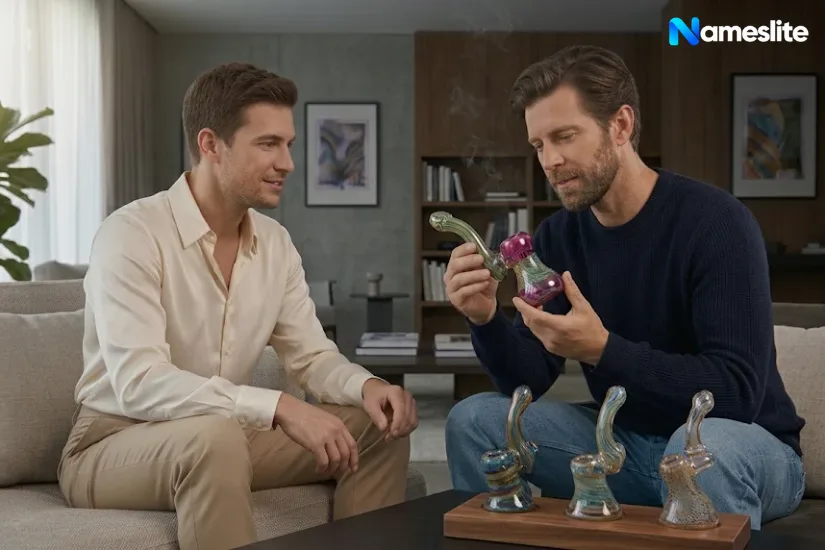
Some pieces resemble miniature sculptures, while others feature simple shapes enhanced with carefully placed decorative details.
Common artistic elements include:
- Fumed Glass: Creates distinctive color effects in the glass.
- Colored Glass: Adds bright shades and visual variety.
- Layered Designs: Combine different colors and patterns.
- Flowing Curves: Give each bubbler a unique shape.
- Textured Surfaces: Add decorative details and visual depth.
- Handmade Artwork: Makes individual pieces visually distinctive.
Borosilicate Glass Bubbler
A Borosilicate Glass Bubbler is made from a type of glass known for its greater resistance to temperature changes compared with ordinary soda-lime glass. This material is commonly used in laboratory equipment and heat-resistant products. For more creative names inspired by everyday objects, explore these funny laptop names for inspiration.
Its special composition helps lower the risk of cracking during sudden temperature changes. However, this material does not make the glass piece completely resistant to damage.
Key properties of borosilicate glass include:
- Temperature Resistance: Withstands temperature changes better than standard soda-lime glass.
- Durability: Provides better resistance to thermal stress and temperature fluctuations.
- Glass Composition: Contains boron trioxide, which contributes to its unique properties.
- Versatile Applications: Commonly used in laboratory equipment, cookware, and other heat-resistant products.
Different Materials Used in Glass Bubblers
The material affects a bubbler’s appearance, weight, and durability. Glass remains a popular This material is a popular choice because it allows smooth curves, transparent chambers, and detailed designs.
These glass pieces can feature different finishes and decorative styles. However, borosilicate material stands out for its ability to withstand temperature changes better than ordinary glass.
Here are some common material options:
- Borosilicate Glass: Handles temperature changes better than standard glass.
- Colored Glass: Offers decorative shades and eye-catching patterns.
- Silicone and Glass: Combines two materials for varied textures and designs.
- Handcrafted Glass: Showcases distinctive shapes and artistic touches.
Bubbler vs Bong vs Traditional Pipe
Choosing between these smoking accessories can feel confusing because their shapes and features often overlap. However, each has distinct characteristics. If you enjoy comparing different name ideas, check out these Funny First and Last Names: 200+ Ideas for more inspiration.
This glass device combines a compact body with an integrated water chamber. A bong usually has a larger structure and may include removable components. In contrast, a traditional dry pipe does not contain a water reservoir.
Comparing these smoking accessories helps highlight their main differences. Key factors include size, construction, cleaning requirements, and overall design.
Here are the key differences:
- Bubbler: A compact smoking device with an integrated water chamber.
- Bong: Generally larger and may include removable components.
- Traditional Pipe: A dry design that does not contain a water chamber.
Bubbler vs Bong vs Traditional Pipe
Choosing between these smoking accessories can feel confusing because their shapes and features often overlap. However, each has its own design and characteristics.
A bubbler combines a compact body with an integrated water chamber. A bong usually has a larger structure and may include removable components. In contrast, a traditional dry pipe does not contain a water reservoir.
Comparing these smoking accessories helps highlight their main differences, including size, construction, cleaning requirements, and overall design.
Here are the key differences:
- Bubbler: A compact smoking device with an integrated water chamber.
- Bong: Generally larger and may include removable components.
- Traditional Pipe: A dry design that does not contain a water chamber.
Important Features to Understand Before Comparing Bubblers
The features of these glass pieces can vary widely depending on their design and construction. Chamber shape, mouthpiece position, glass thickness, and internal pathways all contribute to their overall appearance.
Some models have simple interiors, while others feature more complex glass structures. For example, a percolator-style design has a different internal layout from a basic model. These variations also explain why similarly sized glass pieces can have different shapes and appearances.
Here are some important features to consider:
- Chamber Shape: Determines the overall appearance and internal layout.
- Mouthpiece: Varies in position, shape, and size.
- Glass Thickness: Affects the product’s weight and durability.
- Percolator: Adds additional glass structures inside the chamber.
- Overall Size: Distinguishes compact designs from larger models.
How to Choose a Bubbler Design
The ideal design depends on your personal preferences and the features that matter most. Some people prefer traditional shapes with clean lines, while others enjoy colorful finishes and artistic glasswork.
A compact model has a different appearance from a larger recycler style. Similarly, a Sherlock design features a classic curved shape, while a sidecar version has a more angular structure.
Here are some popular designs to consider:
- Mini Design: Features a small, compact structure.
- Sherlock Style: Offers a classic, curved appearance.
- Sidecar Design: Features an angled, distinctive shape.
- Recycler Style: Has a more complex chamber construction.
The main difference is their size and portability. Bubblers are compact, handheld devices, while bongs are generally larger and easier to customize.
A bubbler is a compact, portable smoking device with an integrated water chamber. A bong is generally larger, often features a removable bowl, and may include additional water-filtration components.
Fill your bubbler with enough water to cover the bottom of the downstem by about ½ inch. Make sure the water doesn’t splash into the mouthpiece when you inhale.
Add enough water to submerge the downstem opening slightly, usually around ½ inch. Avoid overfilling because excess water can splash into your mouth.
Yes, you can use a bubbler without water, but it won’t filter or cool the smoke. Using water generally provides a smoother experience.
Pour out the old water and rinse your bubbler with warm water. Add isopropyl alcohol and coarse salt, gently shake, then rinse thoroughly with clean water.
